All about Peperomia angulata
Peperomia angulata
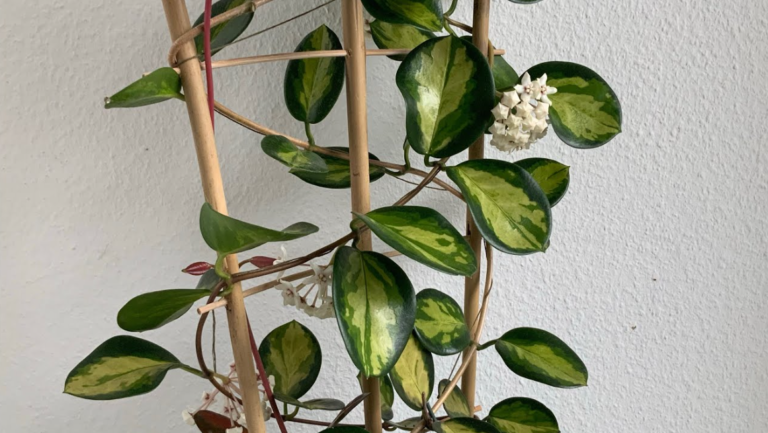
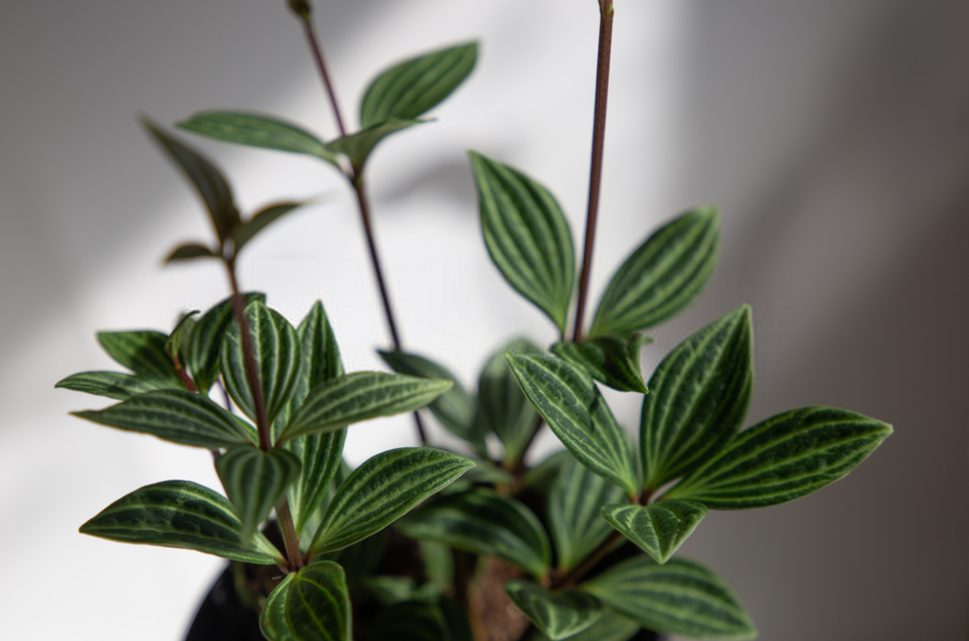
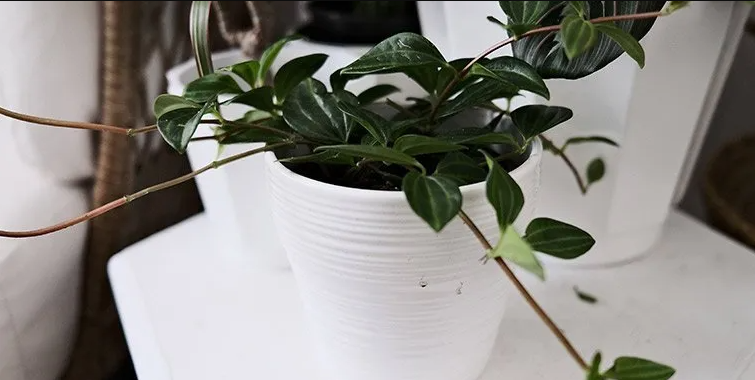
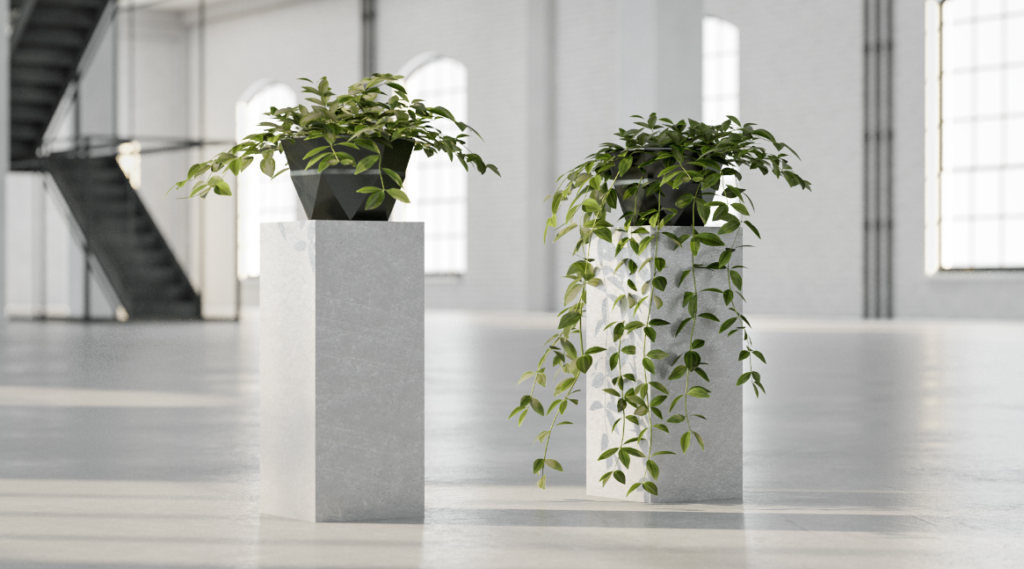
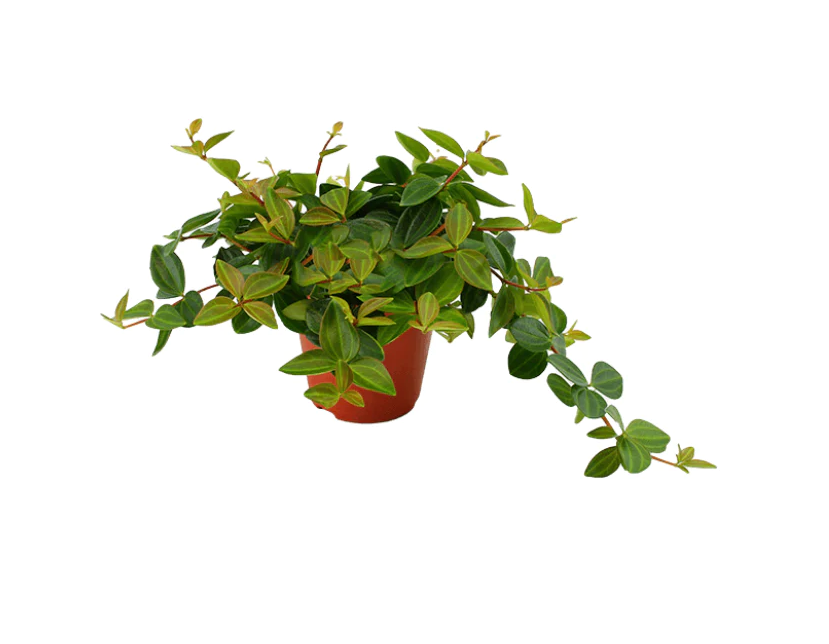
Peperomia angulata Rocca Verde has creeping stems with light green striped mid-green leaves. Red stems add more interest and the plant looks fantastic left to creep along a trail from a shelf or hanging planter. It has a compact, spreading nature and is particularly suited to growing in low or fluorescent light, making it perfect for offices and shaded areas.
Radiator plants are very trendy and easy to care for.
The stems and leaves of this plant are very delicate and despite our best efforts, some may be lost in transit.
Peperomia plants make ideal indoor plants, especially for novice growers. Peperomia ungulate species are adaptable and aesthetically pleasing with intricately patterned leaves.
Also, it is the hardiest of the Peperomia species and can take a bit of neglect. This perennial, evergreen is perfect for almost anywhere in your home.
Here’s our grower’s guide on how to grow, care for and propagate Peperomia angulata plants. Peperomia angulata is a beautiful species with leaves that look like the ripe skin of a watermelon. Each leaf has a light green color on the upper surface. Lines run perpendicular to the stem. And best of all, this plant only needs a few hours of west facing sun to grow quickly and produce new plants. Angulata is considered semi-succulent, so it doesn’t need much watering. In nature it only rarely rains, so occasional watering during the summer months will suffice. Types of Elephant Ear Mushrooms and Where to Find ThemPeperomia angulata or Beetle Peperomia Plant CareThey will appreciate a relatively humid environment, such as a warm bright bathroom or kitchen, where humidity is usually naturally high, although this is not a requirement. Just be sure to keep your plant away from any heat sources, air conditioners, or fans as these will dry out the air too much, causing some problems.
As a spectacular trailing plant, Beetle Peperomia makes a great hanging display or shelf ornament, especially if cascading beautifully in a brightly filtered position. They will also tolerate artificial light, making them a wonderful addition to office space, although watering will need to be carefully monitored to avoid overwatering. Overall, they are a wonderful addition to any interior decorating space.
The genus Peperomia, in the Piperaceae family, includes more than 1,000 species of perennial plants native to tropical regions around the world. Some of the species are: Peperomia angulata, Peperomia caperata, Peperomia magnolifolia, Peperomia argyria, Peperomia polybutrea, Peperomia obtsifolia, Peperomia axillary, Peperomia dolaberformus. They are slow-growing tropical herbaceous plants with fragile reddish stems and a trailing or hanging habit that reaches 30 cm in height. The attractive, fleshy oval leaves are glossy dark green with light green lines. They produce whitish erect inflorescences that are not very decorative. The Beetle Peperomia is a wonderful trailing variety of Peperomia making them the ideal hanging specimen. Loved for their small almost oval leaf shape, with deep green leaves which are delicately veined.
Peperomia Angulata is a popular and very hardy houseplant that is perfect for growing as an indoor plant. You can keep it small for a table, but let it make a nice hanging plant too. This plant is also very suitable for terrariums. In addition, this plant is very popular because of its leaves.
Compact and highly branched plant with long drooping stems, stems thin and cylindrical, reddish brown. The leaves are small, about two and a half centimeters long, oval, and thick.
Peperomia Angulata enjoys bright filtered light and high humidity, similar to their natural habitat in the humid Jungles of South America. In addition to clambering through the tree canopies and undergrowth, they rely on the humidity in the air to provide them with moisture due to their semi-succulent nature, which stores moisture in their leaves and stems. This means it is best to allow your Beetle Peperomia to reach near dryness before watering again.
“Peperomia Angulata” also known as Beetle Peperomia, Himalaya Peperomia, Peperomia Quadrangularis. It is a hanging plant that belongs to the broad family of Peperomias “Piperaceae”. Most Peperomias are native to tropical or subtropical regions of South and Central America. Many of them live near the Amazon River in hot temperatures and dubious conditions. However, Peperomia angulata is originally from tropical regions of South America. It still grows there, but today the plant is available worldwide as a houseplant Peperomia angulata is a backyard plant that displays succulent beetroot-like stems and oval, emerald-green striped leaves. Easy to grow in a cascading basket.
Plant Betel Peperomia as a houseplant in a container or hanging basket or use as a summer patio plant. Peperomia is sought after for its ability to handle low light in the home or office. Prefers neutral to acidic, well-drained soil. Allow the soil to dry out before watering.
Peperomia angulata is a backyard plant that displays succulent beetroot-like stems and oval, emerald-green striped leaves. Easy to grow in a cascading basket.
Plant Betel Peperomia as a houseplant in a container or hanging basket or use it as a summer patio plant. Peperomia is sought after for its ability to handle low light in the home or office. Prefers neutral to acidic, well-drained soil. Allow the soil to dry out before watering. Protect yourself from the cold! Peperomia angulata is a backyard plant that displays succulent beetroot-like stems and oval, emerald-green striped leaves. Easy to grow in a cascading basket.
Plant Betel Peperomia as a houseplant in a container or hanging basket or use it as a summer patio plant. Peperomia is sought after for its ability to handle low light in the home or office. Prefers neutral to acidic, well-drained soil. Allow the soil to dry out before watering. Protect yourself from the cold!
Moisture and Soil Requirements:
Trailing semi-succulent vine. Stores water in leaves and stems so prefers lightly watered evenly moist soil with good drainage in hot climates – never soggy soil. Water when the container feels light or even when the top half of the soil is dry. Prefers small containers to large ones, likes to be kept a little dry in winter, and can survive desiccation.
Growth and Nutrients:
Epiphytic in nature (grows on other plants) hence has a small root system, low water requirements, and small size. Suite apartments or houses of any size. Apply a general-purpose fertilizer to containers every year from early spring until fall when growth slows.
Temperature, Humidity, and Ambient Requirements: Prefers a warm indoor environment and is adaptable to almost any situation, tolerating a range of humidity levels.
Toxicity: Non-toxic to pets and people.
General information
Peperomia Angulata is a herbaceous perennial native to South America (Brazil).
It is a delightful, easy-to-grow houseplant with creeping stems.
The dark green leaves have attractive light green stripes, which add to their year-round interest.
Soil requirement
A peat-based soil that drains well is used. 2 parts peat moss and 1 part perlite is a good mix.
The actual plant may vary as each pot has its own unique natural shape and although it may look the same, it is not 100% identical to the one pictured here.
Flowers/fruits are seasonal and plants may not be with flowers/fruits at the time of order/delivery.
Overall height is measured vertically from the bottom of the pot to the highest point of the plant.
What You Need To Know About The Peperomia Angulata
As its name suggests, Peperomia angulata has angular leaves that look like the elytra of a beet. The leaves creep up on the trellis. But you can prune your Peperomia and give its foliage a bushy, compact appearance that makes it an ideal tabletop plant.
You can keep your Beetle Peperomia anywhere in the house as this species is low maintenance and non-toxic. Basically, this ornamental plant needs an airy soil mix to thrive.
And if you don’t overwater it, the plant will last for many years, making it a good Peperomia variety for the new houseplant lover.
Like other peperomias, this species also produces small white flowers. Flower spikes appear in nature in summer.
But the plant can bloom indoors between April and December. The flowers of Peperomia quadruple usually last for a few months but have no noticeable fragrance.
Pitch and Light:
In nature, Peperomia grows in the shade of tall trees. Partial shade or light shade situation, avoid direct sun rays which can cause burning in its plants. This means a place where the plant is in light, but not direct sunlight.
Direct sunlight can be in the morning or evening. Then the sun is not as strong as it is in the afternoon.
If you notice that the leaves are starting to rot, you need to take it out of the sun again. In too shady a place, the color of its leaves will be less and the plants will not grow well. Often grown as an indoor plant, it can also be grown outdoors during mild winter temperatures.
You should use a loose and spongy substrate that drains perfectly. They don’t need a lot of fertilizer, but if the plants grow very little you can add a little liquid fertilizer monthly for green plants in the spring.
Beetle Peperomia Care Instructions
- Origin: Native to South America, Peperomia angulata grows in shady tropical and subtropical conditions.
- Height: Up to 0.5 m high / 0.5 m spread indoors. Outside its natural habitat, it tends to spread as a ground cover.
- Light: Ideally, moderate indirect filtered light, avoiding harsh sun that can burn the leaves and wilt the plant.
- Water: Water when the top layer of the potting mix is dry. This Peperomia is semi-succulent, so its leaves retain water. This means it doesn’t need to be watered as often, especially in a more shaded area. Be sure not to overwater in the winter because this houseplant will rot if delicate roots.
- Humidity: Average to moderate humidity is ideal and this plant copes well in a regular home environment. It can also tolerate a bit more humidity so it would be great in a bathroom or terrarium.
- Temperature: This houseplant will grow happily in a temperature range of 12-24°C, but try to avoid sudden drops in temperature and be careful with drafts and open windows, it will thrive in temperatures below 10°C. Will struggle.
- Soil: A free-draining organic potting soil with added perlite would be ideal, allowing fine, delicate roots to breathe easily.
- Fertilizer: Peperomia angulata receives regular fertilizer. About twice a month during the growing season (spring and summer). Use half the level of balanced fertilizer recommended for this plant. If the potting medium is particularly dry, water lightly before feeding to avoid burning the roots from the fertilizer.
- Repotting: These plants do not require regular repotting, making for easy ownership! They have fine, shallow roots and grow best when rooted. Roots ‘squirming’ at the bottom of the nursery pot is an indication that repotting is required. At this stage increase the size of the pot by only a few centimeters, with no drastic jumps.
- Pruning: In mature plants, regular pruning can help create a fuller-looking plant. You’ll want to use a sterile blade and cut a few centimeters above the base of the plant. See below if you are taking cuttings for propagation!
- Propagation: Peperomia can be easily propagated from cuttings – cut the stems below a node and put them in water until roots form. When it’s time to pot, make sure the plant is getting more regular water so the roots can adapt to the potting mix. You can also propagate the plant by division or leaf cuttings.
Pests, diseases, and problems
Peperomia is fairly trouble-free and will not come with many problems. Problems usually occur when they are being overwatered or when the soil is particularly waterlogged.
Root rot is a major problem you may encounter, so always be sure to regulate your watering and allow the top layer of soil to dry out properly in between.
In excessively dry conditions, you may find red spider mites. Occasionally misting your angulata with neem oil is an effective way to keep any bugs or insects at bay.
Why are my angulata leaves burning?
Burnt leaves are a clear sign that your Peperomia angulata is getting too much direct sunlight. Be sure to take action and move your angulata to a more shady spot.
Why is my Peperomia limp and wilting?
Wilting is usually a sign of overwatering or root rot. If your roots are rotting, the best plan of action is to take cuttings and grow fresh plants so they can develop healthy roots.
Why does my Peperomia angulata seem stunted?
Although Peperomia angulata plants are generally slow growing, your plant may experience stunted or stunted growth if it is not getting enough light. If you’re concerned that your angulata may be stunted, move it to a location where it gets more indirect light.
Peperomia angulata applications in your home
This wonderful plant can work anywhere in your home, as long as it’s not sitting in a dark corner. Its long stems make it ideal for hanging baskets or tall standing pots. What’s more, they look great on tall shelves or even on a mantelpiece.
About Peperomia angulata.
Peperomia is a delightful, easy-to-grow houseplant that has been around for years. This borderline succulent has small dark green oval leaves with pale yellow veins running the length of the leaf. The leaves are delicately spread along a stringy and flexible stem. When properly cared for, it has a rat’s tail-like flower. Susan Clark on What’s Most Likely to Eat My Lily?
What planting zone is Dory Johnson in Illinois? (USDA Plant Hardiness Zones)
Dorinda Davidson on Why Isn’t My Phlox Blooming?: Help Your Plant Bloom
Just think how long it takes for clover to bloom.
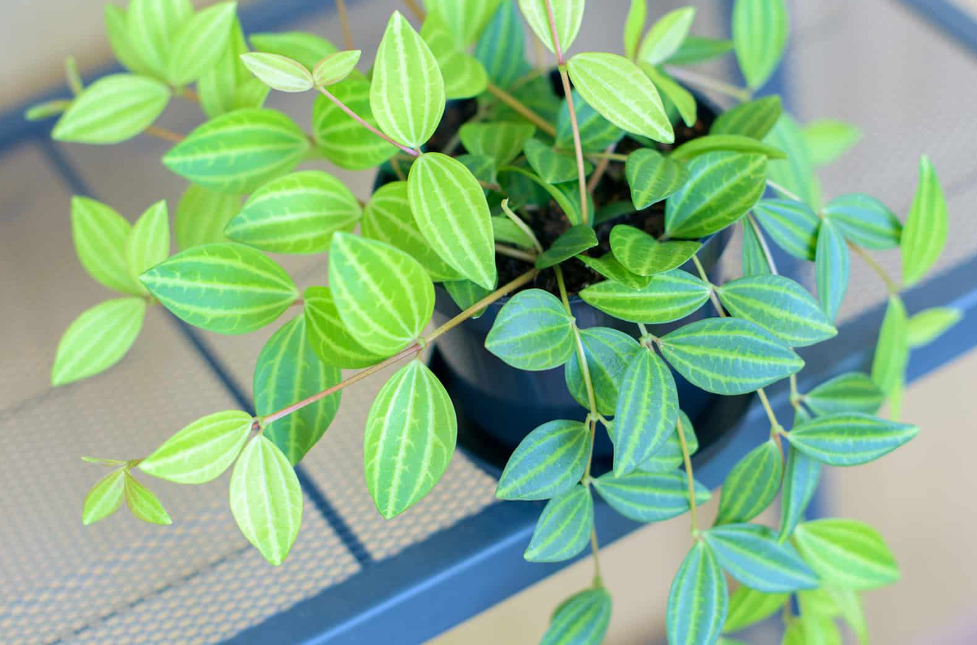
Common name: Beetle peperomia, beetle radiator plant. Scientific synonym: Peperomia quadrangularis. This species is native to Central and South America.
- Dracaena Trifasciata Growth and Care Guide
- Stephania Erecta Care Guide: Everything You Need to Know
- A guide to growing and caring for a hurricane fern
- Nematanthus Gregarius Care: Everything You Need to Know
- find.
- Peperomia albusata
- Peperomia Rousseau
- Peperomia Hope
- Pepromia argyrai
- Peperomia
- Peperomia petiolata
Family
The Peperomia family is a large plant family of about 500 ornamental plants and is related to the pepper plant. Most Peperomia variations come originally from the Amazon basin of South America, where they grow in warm, shady conditions. Peperomias are easy to care for and are suitable for most rooms in the home. Most plants produce strikingly colored or small bell or spike flowers. The best varieties have been selected for the Eden Collection and every year several new varieties are being discovered and added to the collection.
Wrapping up and Peperomia inglaata guide
Wherever you decide to plant your Peperomia angulata, you’ll have complete peace of mind with this hassle-free plant. As long as you’re managing your watering and ensuring plenty of indirect light, you really don’t have much to worry about.
Once you have a happy and established plant, you can start propagating lots of baby plants. Peperomia angulata is really perfect for wherever you want it.
- Botanical Name: Peperomia angulata Kunth, Peperomia Quadrangle
- Common Name: Beetle Peperomia
- Plant Type: Perennial
- Flower Color: White
- Size at Adult: 7-12 inches (height), ~18 inches (width)
- Opening hours: Summer
- Sun Requirements: Partial sun
- USDA Hardiness Zones: 9b-11a
- Soil pH range: 4.0-6.5
- Soil Type: Acidic, well-drained
- Water Requirement: Low
- Native to: Amazon Basin, South America
Peperomia Angulata is one of the easiest plants to care for! The dark green leaves have attractive light green stripes, adding to its year-round interest. This plant enjoys a bright room with indirect sunlight. Most of these are small perennial epiphytes growing on rotting wood, making them excellent candidates for any arrangement. They are native to Central and South America.
12 cm container.
A durable, easy-to-grow houseplant.
Water regularly but allow to dry completely between soakings.
Product is not eligible for international shipping.
Style and decoration
Light Requirements: Peperomia angulata are slow growers and prefer bright to medium indirect light spots. It likes warm temperatures and humidity but a dry potting mix.
Locations: The best location for this is in the north or east side near light sources. A south or west facing location a few feet away from light sources is also a good location. Keep it in a warm kitchen for better growth.
You can cut almost completely in winter. Consider harvesting rainwater to use for irrigation. Peperomia plants store a lot of water in their leaves.
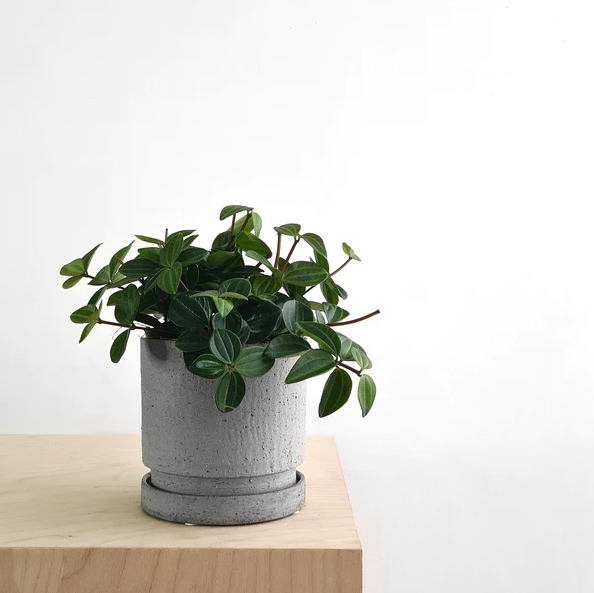
Styling/Decor Tip: Peperomia angulata is one of the best indoor plants, its slow growth rate makes the plant easy to manage. Plant it in a stunning planter and use it as a table top plant. It looks fantastic going down the sides of the bookshelves. This is a perfect plant for your desk. Use a metal tabletop planter to take your decor game to the next level.
If you notice that your leaves are starting to thin, this may be a sign of overwatering.
How to Identify Peperomia Angulata
How to Grow Peperomia Angulata
- the sun
- soil
- humidity
- How to Propagate Peperomia Angulata
- Propagate by stem cuttings
- Propagation by leaf cuttings
- Tips for Peperomia angulata Care
How to Care for Beetle Peperomia
Here’s everything you need to know about growing and caring for a thriving Peperomia angulata.
The light
Common Peperomia angulata Kunth prefers medium to bright indirect light. Usually, direct sun exposure causes the leaves to burn and lose their beautiful color.
Artificial light is sufficient to keep your beetle Peperomia healthy. But if you want to provide a few hours of late afternoon and sunset light to promote growth, you can keep your spot.
- Does well in moderate light conditions and will tolerate shade. Avoid direct sunlight. They perform really well under fluorescent lights, making them ideal for an office or basement flat.
- Watering requirements
- give water
- Water when the soil is almost dry. Do not overwater. Use soft water and bottom water if possible. The water stored in the leaves makes these plants resistant to drought.
- Ornamental plant in west facing window. Rotate the plants every week to keep them bushy.
- If you keep your plant in low light conditions, move it to a bright spot. This species should receive at least five to six hours of indirect light each day.
- Water and soil requirements
- The best Peperomia angulata soil is acidic, with a soil pH between 4.0 and 6.5. And above all, drain well. If you want to make your own potting soil mix, you can add perlite and coarse sand to all-purpose potting soil to improve aeration and drainage.
- Then, add some orchid bark to lower the pH of the soil. Keep a ratio of 1:1:1:1 for best results. On a side note, the Cornell Epiphytic mix also works well.
- This species has delicate, shallow roots. Therefore, it will not tolerate compacted soil. Also, make sure the pot has large drainage holes to prevent water stagnation, which can cause root rot.
- Bottom water works best for most peperomias because the soil absorbs enough water without causing aeration problems. This is especially true for this type. Then, add some orchid bark to lower the pH of the soil. Keep a ratio of 1:1:1:1 for best results. On a side note, the Cornell Epiphytic mix also works well.
- This species has delicate, shallow roots. Therefore, it will not tolerate compacted soil. Also, make sure the pot has large drainage holes to prevent water stagnation, which can cause root rot.
- Bottom water works best for most peperomias because the soil absorbs enough water without causing aeration problems. This is especially true for this type.
Temperature
- This radiator plant prefers average to warm temperatures of 18-24°C but can withstand temperatures as low as 10°C at a push. Avoid cold drafts.
- Due to its tropical origin, Peperomia Angulata needs warm temperatures to grow properly, try to keep it between twelve and twenty-five degrees, if the temperature is lower the plant will suffer. In climates with cold winters, it is recommended to grow it as an indoor plant or in greenhouses. They rot easily if they stay wet especially in winter with low temperatures.
- Moisture requirements.
- So, if you top-water this plant, stick a finger in the potting mix before watering — make sure the first inch of soil is completely dry.
- Temperature requirements.
- It reproduces easily by terminal stem cuttings with several growth nodes, which you can plant in spring, removing the lower leaves and placing the ends of the cuttings in a loose, spongy soil. First soaked in rooting hormone. In a few weeks, the cuttings will develop roots. After a few months, when the young plants have developed enough roots and new shoots, they will be ready for transplanting. They can also be propagated by seeds or by division of the bush.
- The best planting zones for growing beetle peperomia outdoors in spring and summer are USDA zones 9 through 11.
- Peperomia angulata is native to South America. Therefore, it needs a humid, warm climate and a constant temperature between 65-75F. In their natural habitat, they bathe in moisture but do not deal with moist soil. This fact is key to understanding why your peperomia can go more than a week outdoors without a drink but will not thrive in your indoor room with less than 60% humidity.
- We grow and pack our plants with the utmost care. Please note that the images represent our offer and not the exact plant you will receive. All plants are unique but we try to give you an accurate representation of what you will receive. We will choose the best of our selection to send to you!
Humidity
- Peperomias enjoy increased humidity levels but most of the time they do well in normal household conditions. Consider dusting occasionally.
- Feed requirements
- feed
- Apply a half-strength balanced fertilizer once or twice during the growing season.
- See plant nutrition
- growth rate
- Height and growth rate
- The light green beetle radiator plant is known to grow slowly and usually reaches a height of about 20 to 30 cm.
- Another care requirement where Peperomia angulata differs from succulents is humidity. A succulent plant thrives in dry air, but Angulata prefers high humidity. Unfortunately, the humidity in our homes is often too low for this plant.
- Give them a hand by increasing humidity. You can do this by washing the plant a few times a week with a plant sprayer. Preferably do this in the morning, then the plant will have a full day to dry.
Poisonous
- The light green beetle radiator plant is considered non-toxic and therefore safe around children, cats and dogs.
- Original
- Peperomia angulata Rocca scuro is native to Florida, Mexico, and the Caribbean.
- About Peperomia angulata
- Peperomia is a delightful, easy-to-grow houseplant that has been around for years. This borderline succulent has small dark green oval leaves with pale yellow veins running the length of the leaf. The leaves are delicately spread
along a stringy and flexible stem. When properly cared for, it has a rat’s tail like flower.
Watering:
- It needs regular but not excessive watering, if you grow it as an indoor plant then weekly watering is usually enough. This plant has thicker leaves than the average houseplant. The leaves are succulent, a bit like succulents. Like succulents, Peperomia angulata can store water in the leaves. This is characteristic of many species within this plant family, such as Peperomia Hope.
- You can also let the soil dry out a bit before watering again. In summer it is hotter and the plant is in growth stage. So you will water more often than in the winter.
- Avoid soaking the substrate and ensure that any remaining standing water does not come into contact with the base of the pot, thus preventing root rot and plant damage.
Pruning:
You don’t need to prune this plant to keep it healthy. However, you can trim it if you feel it is getting too big or out of shape. Cut the tendrils you want shorter with clean scissors. You can take the cuttings and let them grow into a new plant.
Peperomia Angulata in bloom:
- If you take care of it properly, Peperomia Angulata can produce flowers. This usually occurs in late spring or early summer. If your plant does not flower but grows well, there is no need to worry. Not every houseplant will flower every year.
- The flower is different than you expect. They are straight threads that contain pollen.
- Peperomia Angulata is a low maintenance plant and very easy to grow, it is quite resistant to insect pests and diseases typical of indoor plants. Its main enemy is excessive water and inadequate drainage. Insufficient lighting can also weaken the plant.
Fertilizer
- If you provide a loose, clean potting mix, you don’t need to fertilize your Peperomia angulata. In detail, the plant will thrive for many years and will not require additional nutrients. But if you notice a nutrient deficiency, a diluted 10-10-10 fertilizer will work.
- In any case, the plant does not need to be fertilized during the fall and winter. This plant stops growing when temperatures drop below 50F. Therefore, your fertilizer will run out which will make the soil toxic to the plant when the warmer weather returns.
Nutrition:
- In the months from early spring to late fall, the plant is in the growth phase. Then a lot of fertilizer is needed. Fertilize houseplants a little every month during this period. Dose according to package directions.
They are used as indoor and greenhouse plants in hanging pots. In spring and summer, they can be located outside in the shade. They are ideal for offices and fluorescent-lit rooms. In the tropics, they are used to cover garden areas under shrubs and along ponds.
Peperomia angulata needs indirect light, avoiding direct sun. They do not withstand temperatures below 10 ºC.
Soil can be a commercial substrate for houseplants. In the case of transplantation, it is recommended to do it in the spring. Soil can be a commercial substrate for houseplants. In the case of transplantation, it is recommended to do it in the spring.
Water regularly with lime-free water and wait until the substrate is almost dry. Ambient humidity should be 50-60%. Spray the leaves periodically with lime-free water in summer.
Fertilize with a mineral houseplant fertilizer in early spring and early summer.
They do not need pruning.
These plants are quite resistant to common pests and diseases but are sensitive to drafts and sudden changes in temperature.

They are propagated by stem cuttings in spring or early summer.
Be sure to use a sterile blade and cut back a few inches at a time. Regular repotting is unnecessary and Angulata’s roots are quite sensitive, so it can do more harm than good.
Unless your angulata is overgrown, repot only every 3 to 4 years.
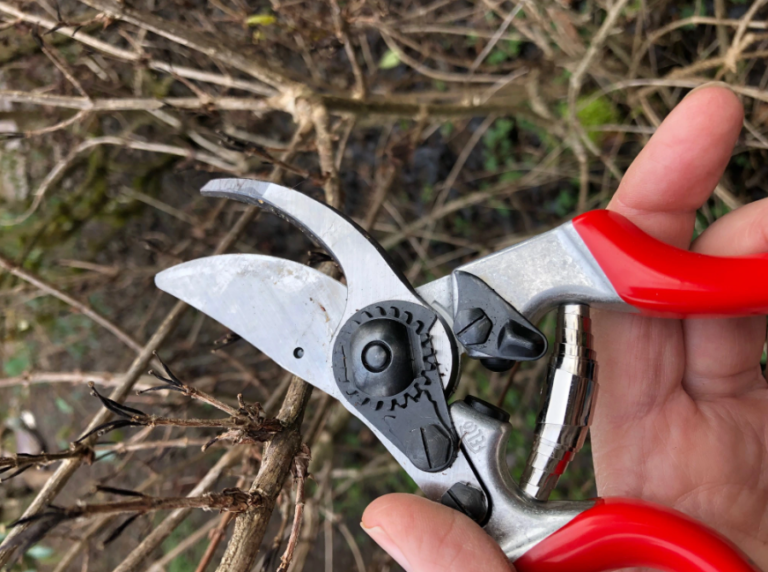
Here’s our list of the best pruning shears on the market.
Plant accessories
Plant Fertilizer/Feed: Angulata is a slow grower and will appreciate a once-a-month fertilizer during its growing season from spring to summer.
Repotting: Peperomia is a slow grower and does not require frequent repotting. When the plant outgrows the current pot, repot into a slightly larger pot in well-draining soil.
Propagation: Peperomia varieties are extremely easy to propagate. You can grow them from simple stem cuttings. Remove the lowest leaves and root them directly in soil or water, making sure at least one leaf node is below the soil or water level.
Common problems
1. Why are my Peperomia leaves turning pale?
Pale and dull leaves in Peperomia are caused by strong light. Avoid direct light and place your plants in bright indirect light.
2. Why are Peperomia leaves colorless?
Discoloration of leaves and flowers is due to excess water. Peperomias prefer a fairly dry growing medium. Allow the soil to dry out between watering cycles.
3. What pests commonly infect Peperomia?
Peperomias are lucky in that they don’t have many pest problems apart from rare mealybug sightings. Clean the leaves and use neem oil regularly as a treatment and preventive measure.
Common Symptoms of Beetle Peperomia
- Burnt yellow leaves: If your Peperomia angulata is getting too much direct light, move to a more shaded spot – indirect light is best.
- Limp, brown or wilted leaves: This is a sign of a water problem and could be the result of root rot or prolonged waterlogging. If the roots get too wet and start to rot, you should take stem cuttings to propagate and create a new Peperomia plant. If it is too dry, add water gradually.
- New growth is small: If the leaves are consistently small, your houseplant may not be getting enough light/moisture. Move to a bright place.
- Too long ‘stemmed’ stems/internodes: This is called etiolation and means your peperomia is not getting the right amount of light. Stems will be especially stretched. Move to a bright place.
- Pests: Peperomias are quite resilient to pests and are usually not a major problem. However, something to watch out for, especially in bright, dry conditions with low humidity, is the red spider mite, which is drawn to the leaf tips. If insects are present, this houseplant can be treated with insecticidal soap or neem oil. Repeat weekly and isolate the Peperomia until completely pest-free. You can trim the plant back to the base and start over if the bugs are persistent. Click for more on pest identification and treatment.
- Falling of plants: This is often caused by root rot, especially as a result of prolonged watering in winter.
Frequently Asked Questions
- Why are my Peperomia angulata leaves falling off?
Is your plant losing leaves? This is usually related to the amount of water. Too much or too little, both extremes are harmful to the plant. Its response is to drop the leaf. Read about proper watering methods and amounts at the top of this page.
- Is Peperomia angulata poisonous?
Most sources say that this plant is not poisonous. However, there are many sources that suggest that this plant is slightly poisonous. Therefore, it is important not to take any risks.
If you have small children, cats or dogs in your home, it is better to keep this plant away from them. By the way, Peperomia Angulata is also beautiful as a hanging plant. Hang it up high and keep it away from children and pets!